

Key Themes and Concepts:
1. Definition and Scope of Genre:
- Dubrow explores the definition of genre, examining its various interpretations and the challenges associated with categorizing literature. She considers genre as a dynamic, fluid concept rather than a fixed classification.
2. Historical Development:
- The book traces the historical evolution of genre, from classical antiquity to contemporary literature. Dubrow highlights how genres have changed over time and how historical contexts have influenced these changes.
3. Functions of Genre:
- Dubrow discusses the multiple functions of genre, including its role in guiding readers’ expectations, providing a framework for writers, and facilitating communication between authors and audiences.
4. Genre and Literary Innovation:
- The book examines how writers use and subvert genre conventions to create new literary forms. Dubrow analyzes examples of genre blending and innovation, demonstrating how authors play with genre boundaries.
5. Theoretical Approaches:
- Dubrow reviews various theoretical approaches to genre, including structuralism, post-structuralism, and cultural studies. She discusses the contributions of key theorists and how their ideas have shaped our understanding of genre.
6. Genre and Ideology:
- The relationship between genre and ideology is explored, with Dubrow considering how genres can reflect, reinforce, or challenge social and cultural norms. She examines the political dimensions of genre and its role in shaping cultural discourse.
Structure of the Book:
1. Introduction:
- Dubrow introduces the concept of genre and outlines the main questions and issues that the book will address.
2. Historical Overview:
- The book provides a historical overview of genre theory, tracing its development from Aristotle’s “Poetics” to contemporary debates.
3. Case Studies:
- Dubrow includes detailed case studies of specific genres, such as the epic, the novel, and the lyric. These case studies illustrate how genres operate in practice and how they have evolved over time.
4. Theoretical Frameworks:
- The book reviews various theoretical frameworks for understanding genre, discussing the strengths and limitations of each approach.
5. Conclusion:
- Dubrow concludes with a reflection on the future of genre theory and its potential directions.
Impact and Legacy:
1. Scholarly Contribution:
- Dubrow’s book is a significant contribution to literary studies and genre theory. It offers a comprehensive overview of the field and provides valuable insights into the nature and function of genre.
2. Interdisciplinary Relevance:
- The book’s exploration of genre and ideology makes it relevant to scholars in cultural studies, media studies, and related fields. Dubrow’s interdisciplinary approach highlights the broad applicability of genre theory.
3. Educational Value:
- “Genre” is an essential resource for students and scholars of literature. Its clear explanations and thorough analysis make it a useful text for courses on literary theory and criticism.
4. Influence on Literary Criticism:
- Dubrow’s work has influenced subsequent studies of genre and continues to be a key reference for literary critics. Her insights into the fluidity and complexity of genre have shaped contemporary understandings of the concept.
Conclusion:
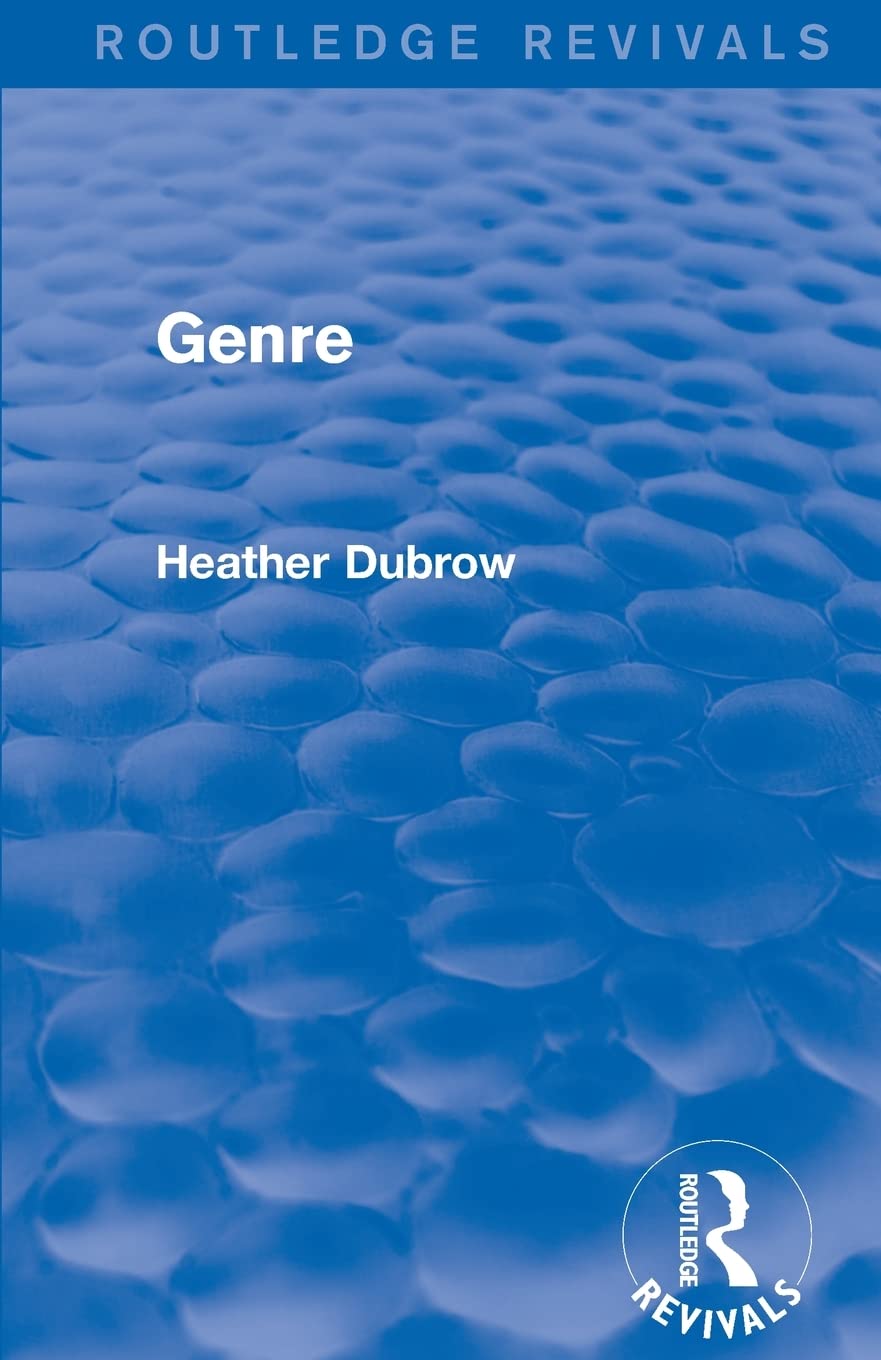
“Genre” by Heather Dubrow is a foundational text that offers a thorough exploration of literary genres, their historical development, and their theoretical implications. Dubrow’s analysis provides valuable insights into the dynamic nature of genre and its role in literature and culture. This book is a must-read for anyone interested in literary theory, genre studies, and the intersections of literature and ideology.

Reviews
There are no reviews yet.